

Explore My Catalogue
Browse handcrafted creations across Bags for Daily Use, Clutches, Cushion Covers in Ajrakh, Bagru Print, Bead Work.
Crafts I Love Creating
Explore My Signature Categories
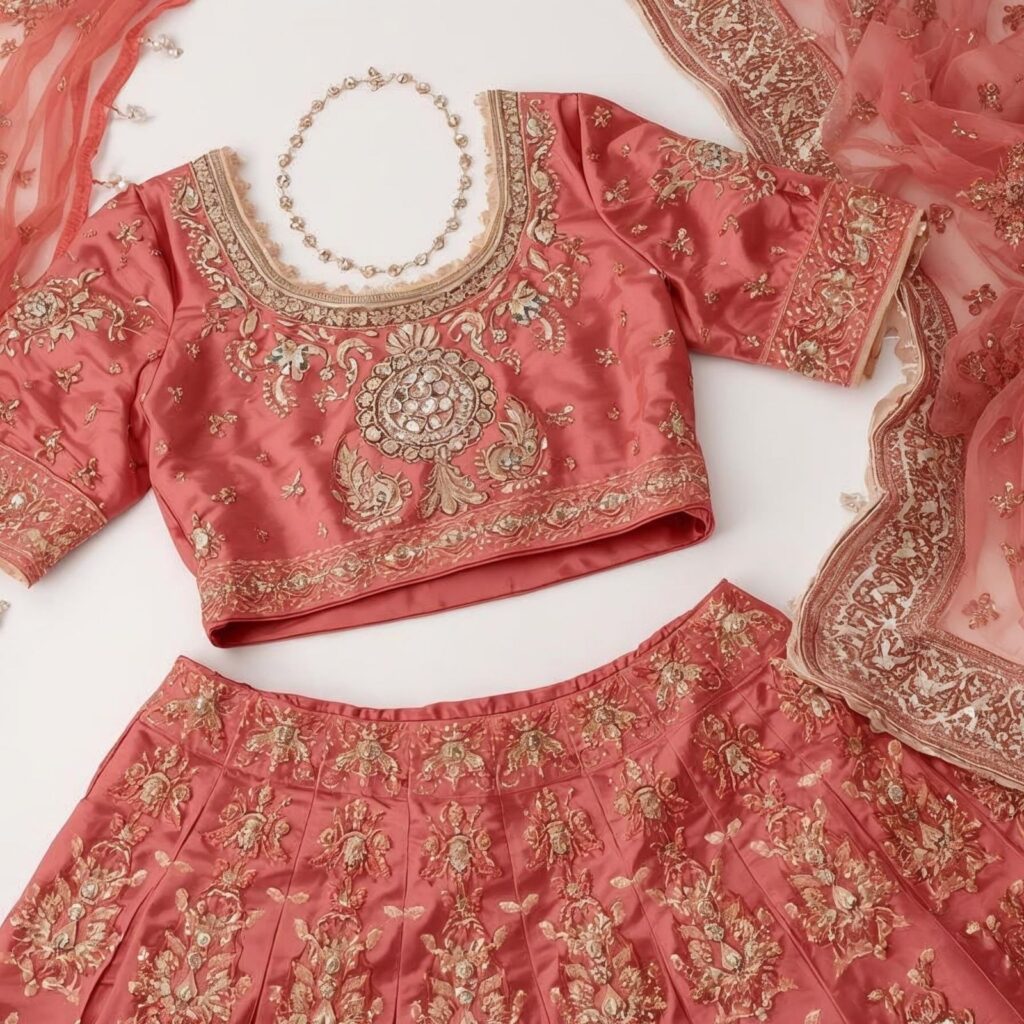 Ethnic Sets
3 Creations
Fabrics
3 Creations
Men’s Shirts
3 Creations
Neckpieces
3 Creations
Paintings
3 Creations
Serveware
3 Creations
Spices
3 Creations
Tea Coasters
3 Creations
Tops and Tunics
3 Creations
Tote Bags
3 Creations
Waistcoats and Jackets
3 Creations
Accessories
2 Creations
Artisan Footwear
2 Creations 1 Collection
Bangles and Wristwear
2 Creations
Bed Covers
2 Creations
Carpets and Rugs
2 Creations
Children’s Wear
2 Creations
Curtains
2 Creations
Earrings
2 Creations
Handcrafted Pouches
2 Creations
Handicrafts
2 Creations
Kitchen Containers
2 Creations
Men’s Kurtas
2 Creations
Sling Bags
2 Creations
Table Linen
2 Creations
Table Mats
2 Creations
Ethnic Sets
3 Creations
Fabrics
3 Creations
Men’s Shirts
3 Creations
Neckpieces
3 Creations
Paintings
3 Creations
Serveware
3 Creations
Spices
3 Creations
Tea Coasters
3 Creations
Tops and Tunics
3 Creations
Tote Bags
3 Creations
Waistcoats and Jackets
3 Creations
Accessories
2 Creations
Artisan Footwear
2 Creations 1 Collection
Bangles and Wristwear
2 Creations
Bed Covers
2 Creations
Carpets and Rugs
2 Creations
Children’s Wear
2 Creations
Curtains
2 Creations
Earrings
2 Creations
Handcrafted Pouches
2 Creations
Handicrafts
2 Creations
Kitchen Containers
2 Creations
Men’s Kurtas
2 Creations
Sling Bags
2 Creations
Table Linen
2 Creations
Table Mats
2 Creations
The Art Forms I Work On
Ajrakh
Why I love it: Ancient block-printing tradition known for geometric patterns and natural dyes.
What makes it special: Traditional Ajrakh printing can involve over 16 stages.
The art is inspired from: Practiced for centuries by artisan communities in Kutch.
It is known for: Indigo and madder natural dye printing.
View Creations
Bagru Print
Why I love it: Traditional hand block printing using natural dyes and mud resist.
What makes it special: Bagru printing relies heavily on natural ingredients.
The art is inspired from: Originated in the Bagru village near Jaipur.
It is known for: Earthy tones and floral block motifs.
View Creations
Bead Work
Why I love it: test test Ancient block-printing tradition known for geometric patterns and natural dyes.
View Creations
Blue Pottery
Why I love it: Distinctive pottery craft known for blue floral motifs.
What makes it special: Blue Pottery is made without traditional clay.
The art is inspired from: Influenced by Persian ceramic traditions.
It is known for: Glazed decorative pottery.
View CreationsDabu Print
Why I love it: Mud-resist hand block printing tradition from Rajasthan.
What makes it special: Dabu printing uses a special mud paste resist.
The art is inspired from: Practiced by artisan communities for generations.
It is known for: Indigo dyeing and resist techniques.
View CreationsIkat
Why I love it: Resist-dye weaving tradition where threads are dyed before weaving.
What makes it special: Ikat patterns are created before the fabric is woven.
The art is inspired from: An ancient textile technique practiced across India.
It is known for: Blurred geometric and intricate woven patterns.
View CreationsJamdani
Why I love it: Fine muslin weaving with intricate motifs.
What makes it special: Jamdani weaving is recognised by UNESCO.
The art is inspired from: Tracing roots to ancient Bengal weaving traditions.
It is known for: Lightweight woven motifs.
View CreationsJute Craft
Why I love it: Natural fibre weaving tradition using jute.
What makes it special: Jute is known as the ‘golden fibre’.
The art is inspired from: Linked to Bengal’s riverine economy.
It is known for: Eco-friendly woven products.
View CreationsKundan
Why I love it: Traditional gemstone jewelry setting technique.
What makes it special: Kundan jewelry uses highly refined gold foil.
The art is inspired from: Associated with royal Indian jewelry.
It is known for: Polki gemstone craftsmanship.
View CreationsMadhubani
Why I love it: Traditional folk painting known for intricate linework and symbolism.
What makes it special: Madhubani art was traditionally painted on mud walls.
The art is inspired from: Originated in the Mithila region.
It is known for: Mythological and nature-inspired paintings.
View CreationsPaithani
Why I love it: Handwoven silk saree tradition from Paithan.
What makes it special: Paithani sarees were once traded internationally.
The art is inspired from: Dating back over 2,000 years.
It is known for: Peacock and floral woven motifs.
View CreationsPattachitra
Why I love it: Scroll painting tradition with mythological themes.
What makes it special: Pattachitra artists traditionally made their own natural colors.
The art is inspired from: Dates back to temple art traditions.
It is known for: Detailed storytelling paintings.
View CreationsPhulkari
Why I love it: Colorful embroidery tradition from Punjab.
What makes it special: Phulkari means 'flower work'.
The art is inspired from: Historically practiced during weddings and celebrations.
It is known for: Bright floral embroidery.
View CreationsBandhani
Why I love it: Traditional tie-dye textile craft with tiny dotted patterns.
What makes it special: A single Bandhani saree may contain thousands of tiny knots.
The art is inspired from: Practiced in western India for centuries.
It is known for: Intricate tie-and-dye patterns.
View CreationsBatik
Why I love it: Wax-resist dyeing technique adapted into Indian textiles.
What makes it special: Every crack in batik creates a unique pattern.
The art is inspired from: Influenced by Indonesian textile traditions.
It is known for: Wax layered handcrafted patterns.
View CreationsGond
Why I love it: Tribal art tradition using dots and intricate patterns.
What makes it special: Gond paintings often depict animals and forests.
The art is inspired from: Practiced by the Gond tribal community.
It is known for: Nature-inspired storytelling art.
View CreationsKantha
Why I love it: Running-stitch embroidery tradition created from layered old fabrics.
What makes it special: Kantha embroidery traditionally reused old sarees.
The art is inspired from: Rooted in rural Bengal households for generations.
It is known for: Minimal stitch patterns and storytelling motifs.
View CreationsTerracotta
Why I love it: Ancient baked clay craft tradition.
What makes it special: Terracotta is among the oldest art traditions in India.
The art is inspired from: Tracing origins to the Indus Valley Civilization.
It is known for: Handcrafted clay sculptures.
View CreationsBanarasi Weaving
Why I love it: Luxurious silk weaving tradition from Varanasi.
What makes it special: Banarasi sarees are prized wedding heirlooms.
The art is inspired from: Patronised during the Mughal era.
It is known for: Rich zari and brocade work.
View CreationsBidri
Why I love it: Metal inlay craft with silver work on blackened alloy.
What makes it special: Bidriware gets its black finish from special soil.
The art is inspired from: Introduced during the Bahmani Sultanate.
It is known for: Silver inlay craftsmanship.
View CreationsChannapatna Toys
Why I love it: Lacquered wooden toy-making tradition.
What makes it special: Natural vegetable dyes are traditionally used.
The art is inspired from: Dating back to Tipu Sultan’s era.
It is known for: Bright eco-friendly wooden toys.
View CreationsLeheriya
Why I love it: Wave-pattern tie-dye textile tradition.
What makes it special: Leheriya patterns resemble flowing desert waves.
The art is inspired from: Popular among Rajput communities historically.
It is known for: Diagonal wave-like dye patterns.
View CreationsSujani
Why I love it: Narrative embroidery tradition from Bihar.
What makes it special: Sujani embroidery often depicts village life.
The art is inspired from: Historically created for ceremonial quilts.
It is known for: Storytelling through threadwork.
View CreationsChikankari
Why I love it: Traditional white embroidery known for delicate floral motifs and fine handwork.
What makes it special: Chikankari was once patronised by Mughal royalty.
The art is inspired from: Believed to have flourished during the Mughal era.
It is known for: Elegant hand embroidery on soft fabrics.
View Creations
Kalamkari
Why I love it: Hand-painted and block-printed textile art using natural dyes.
What makes it special: Kalamkari literally means 'pen craftsmanship'.
The art is inspired from: Dates back to ancient temple storytelling traditions.
It is known for: Narrative motifs and mythological themes.
View CreationsKasuti
Why I love it: Traditional counted-thread embroidery from Karnataka.
What makes it special: Kasuti stitches are identical on both sides of the fabric.
The art is inspired from: Practiced historically by women in North Karnataka.
It is known for: Symmetrical hand embroidery.
View CreationsPatola
Why I love it: Double ikat silk weaving tradition from Patan.
What makes it special: A genuine Patola saree can take months to weave.
The art is inspired from: Historically woven for royal families.
It is known for: Complex symmetrical weaving.
View CreationsBlock Printing
Why I love it: Traditional textile printing using carved wooden blocks.
What makes it special: Each color layer uses a separate wooden block.
The art is inspired from: One of India’s oldest textile techniques.
It is known for: Hand-carved repetitive motifs.
View CreationsSanganeri Print
Why I love it: Fine floral hand block printing known for detailed patterns.
What makes it special: Sanganeri prints were once exported to Europe.
The art is inspired from: Originated in Sanganer near Jaipur.
It is known for: Delicate floral motifs and bright colors.
View CreationsToda Embroidery
Why I love it: Distinct red and black embroidery practiced by the Toda tribe.
What makes it special: Toda embroidery is often called 'embroidery without needles'.
The art is inspired from: Indigenous craft of the Nilgiri hills.
It is known for: Geometric tribal embroidery.
View CreationsDiscover the Art Forms behind these creations
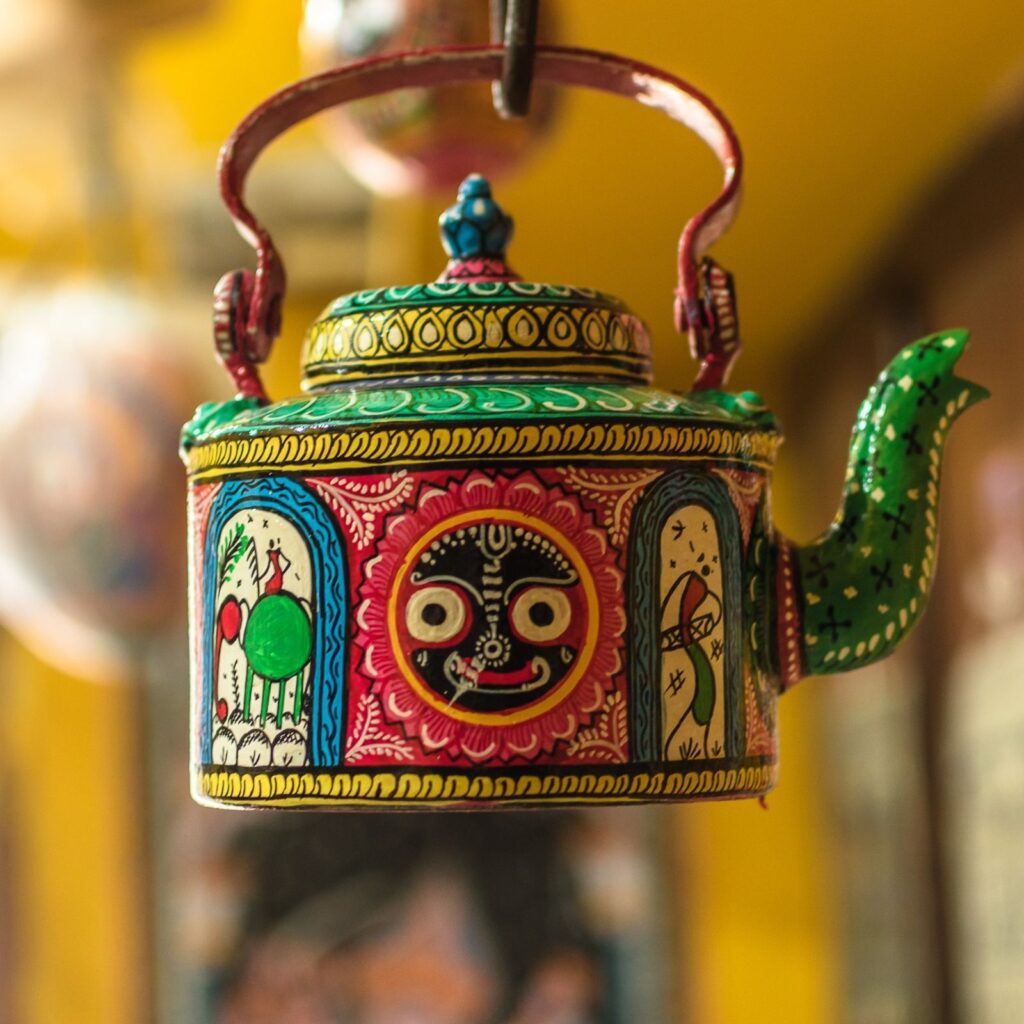
Chikankari
Traditional white embroidery known for delicate floral motifs and fine handwork.
Bagru Print
Traditional hand block printing using natural dyes and mud resist.
Kantha
Running-stitch embroidery tradition created from layered old fabrics.
Madhubani
Traditional folk painting known for intricate linework and symbolism.
Patola
Double ikat silk weaving tradition from Patan.
Sujani
Narrative embroidery tradition from Bihar.
Block Printing
Traditional textile printing using carved wooden blocks.
Batik
Wax-resist dyeing technique adapted into Indian textiles.
Ikat
Resist-dye weaving tradition where threads are dyed before weaving.
Jute Craft
Natural fibre weaving tradition using jute.
Jamdani
Fine muslin weaving with intricate motifs.
Phulkari
Colorful embroidery tradition from Punjab.
Metal Engraving
Sandalwood Craft
Channapatna Toys
Lacquered wooden toy-making tradition.
Molela Clay Art
Gond
Tribal art tradition using dots and intricate patterns.
Brass Craft
Coconut Shell Craft
Wood Carving
Terracotta
Ancient baked clay craft tradition.
Bidri
Metal inlay craft with silver work on blackened alloy.
Cane Craft
Blue Pottery
Distinctive pottery craft known for blue floral motifs.
Pattachitra
Scroll painting tradition with mythological themes.
Handmade Paper Craft
Tanjore Painting
Bead Work
test test Ancient block-printing tradition known for geometric patterns and natural dyes.
Kundan
Traditional gemstone jewelry setting technique.
Ajrakh
Ancient block-printing tradition known for geometric patterns and natural dyes.
Sanganeri Print
Fine floral hand block printing known for detailed patterns.
Sabai Grass Craft
Banarasi Weaving
Luxurious silk weaving tradition from Varanasi.
Toda Embroidery
Distinct red and black embroidery practiced by the Toda tribe.
Bandhani
Traditional tie-dye textile craft with tiny dotted patterns.
Dabu Print
Mud-resist hand block printing tradition from Rajasthan.
Kalamkari
Hand-painted and block-printed textile art using natural dyes.
Kasuti
Traditional counted-thread embroidery from Karnataka.
Moonj Craft
Paithani
Handwoven silk saree tradition from Paithan.
Leheriya
Wave-pattern tie-dye textile tradition.